Tag: cage
-
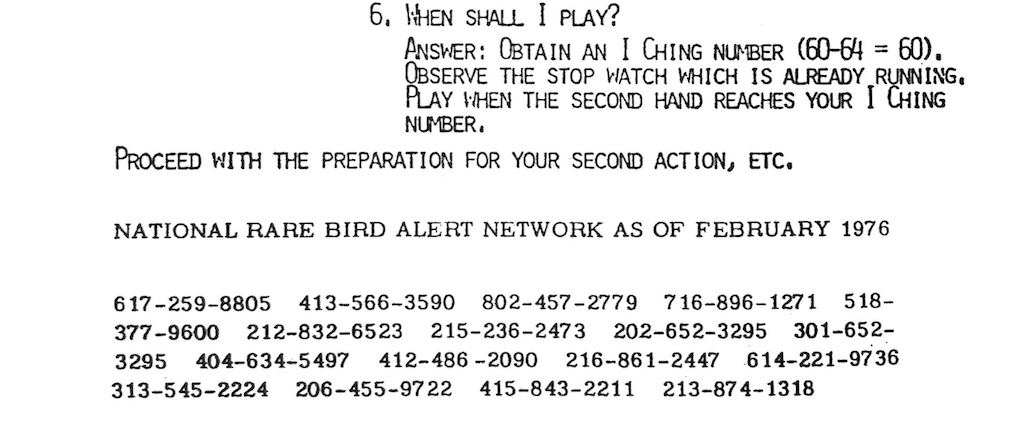
After a performance of John Cage’s “Telephones and Birds” (1977), I kept thinking about the piece and the performance problems it raised. How does a twentieth-century piece for telephones work in the twenty-first century?
-
The “men and mountains” story has an interesting history that reveals much about John Cage’s relationship to Zen Buddhism. What he presented as a classic Zen saying was actually his own unique variant, one that took it away from its Zen roots.

-
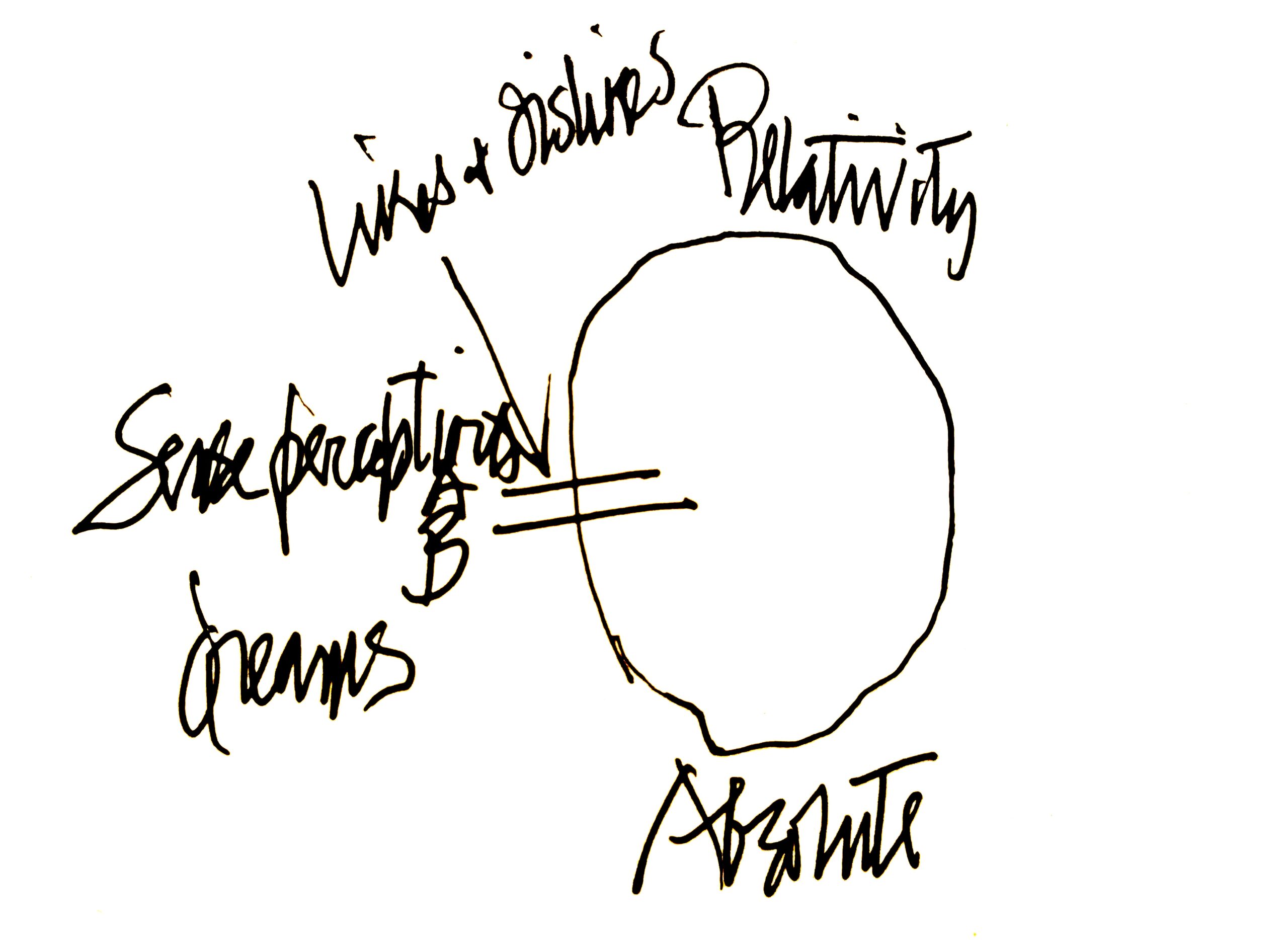
John Cage often described a drawing that D. T. Suzuki drew of the structure of the mind. I’ve found a possible source for that drawing.
-
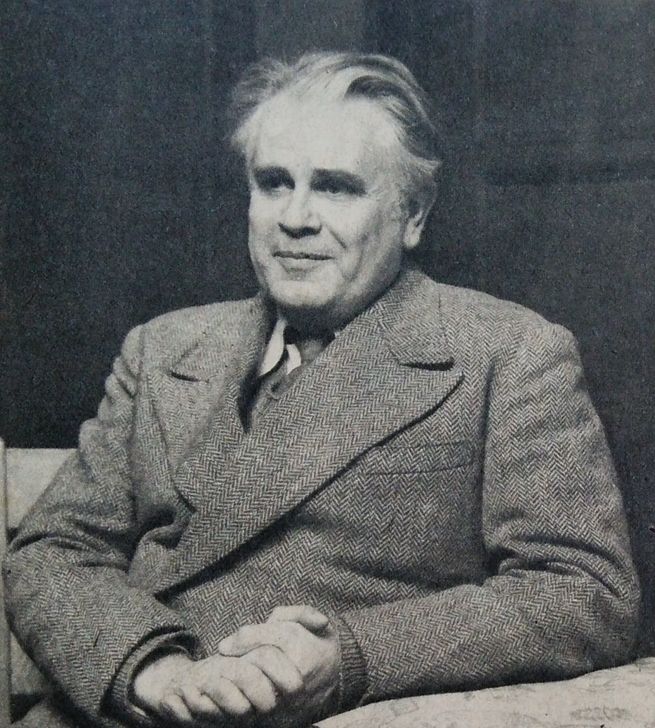
I’ve just posted a new essay on “The origin of John Cage’s Zen” that lays out my case for R. H. Blyth, not D. T. Suzuki, who introduced Cage to Zen. It’s a product of my recent lecture on Zen and John Cage. In preparing that, I took a deeper dive into the Blyth’s work.…
-
The story that John Cage told was that he studied Zen with D. T. Suzuki. For Cage, as for most in the English-speaking world, Suzuki was the ultimate source of insight into Zen. “I didn’t study Zen with just anybody: I studied with Suzuki,” Cage said in an interview. “I’ve always gone, insofar as I…
-
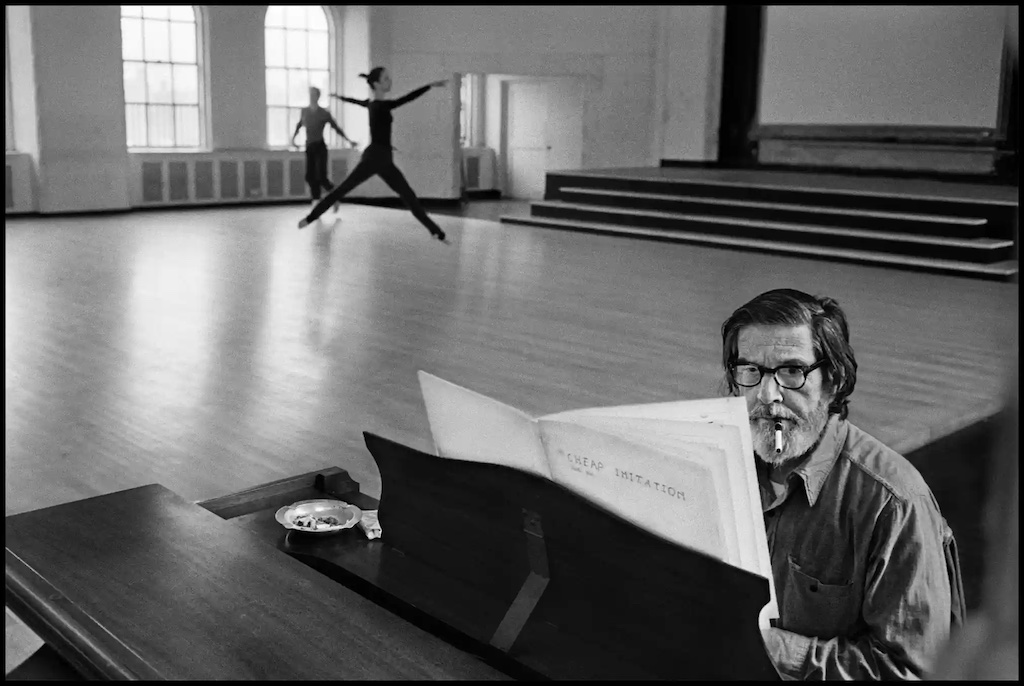
I look more closely at Satie’s “Socrate” and Cunningham’s “Second Hand” to see how they relate to the compositional decisions that Cage made in “Cheap imitation.”
-
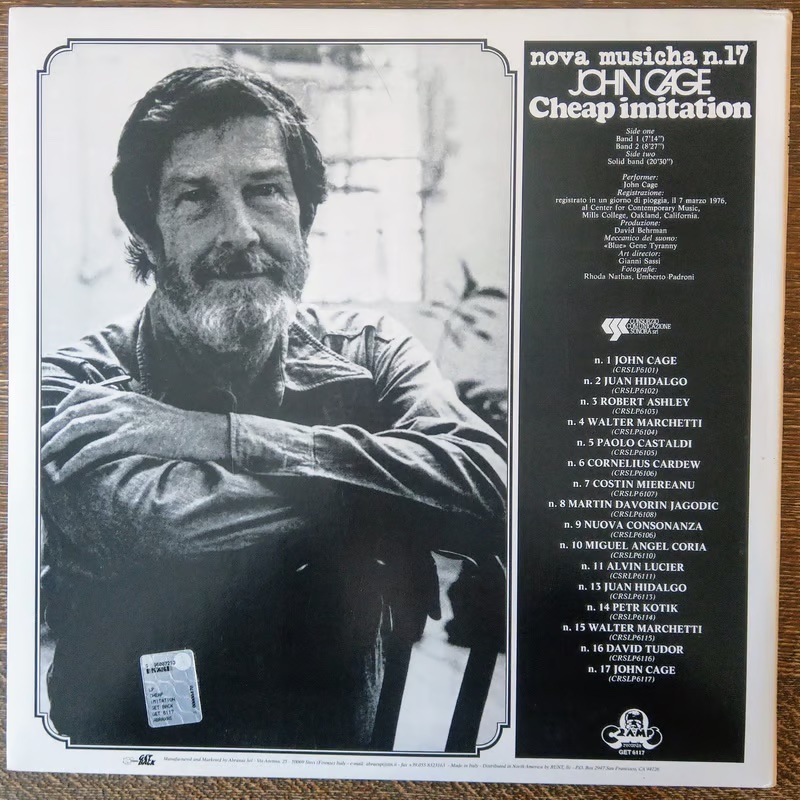
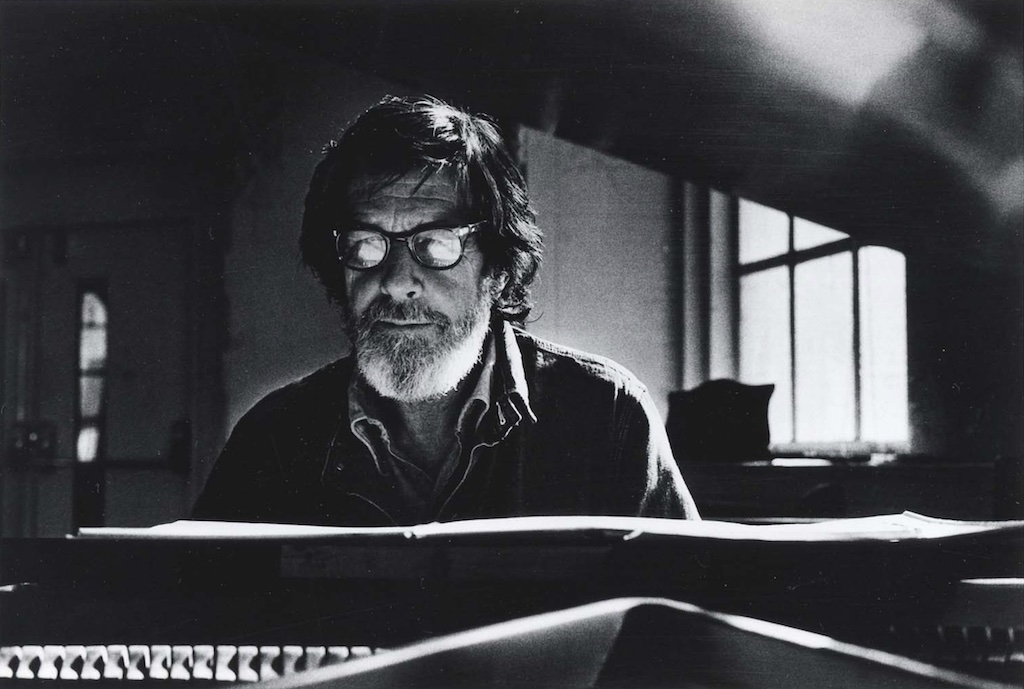
With John Cage’s music and its carefully planned systems, it is easy to get fixated on the mechanics of chance. But with Cage’s Cheap imitation, it’s quite apparent that chance only goes so far. Everything else in the piece was Cage’s musical choice.
-
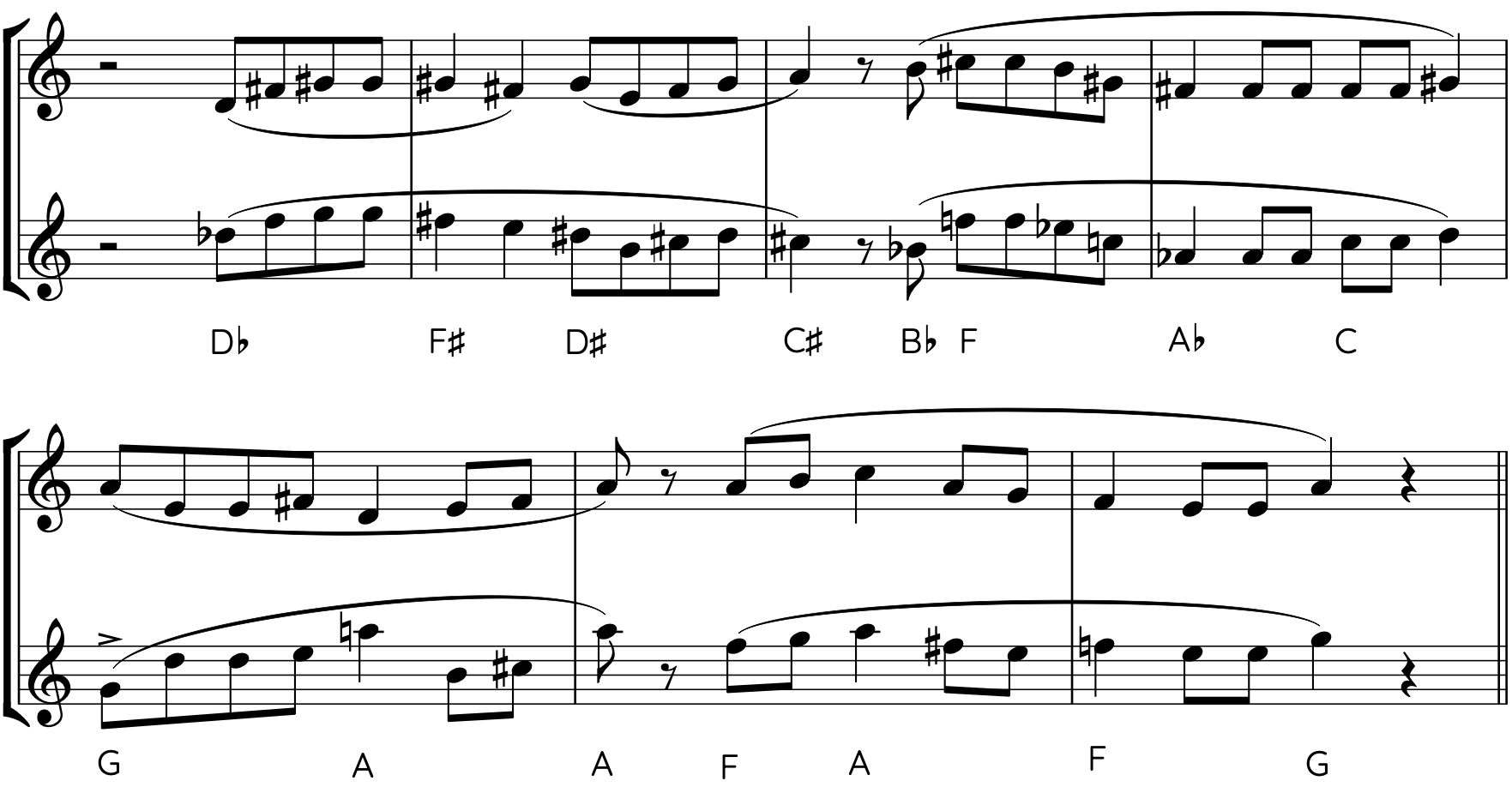
With “Cheap Imitation,” Cage gave a very general description of the system used to compose it. A close reading of the piece itself—the actual results of that system—confirms the accuracy of the rules and also uncovers considerations and choices that Cage didn’t mention.
-
I’ve written about John Cage’s Cheap imitation for piano several times. But it was only recently that I sat down and did a careful analysis of the piece. I looked at how Cage said he composed it; I looked at the score and compared it to Satie’s Socrate; I examined the choices that Cage made…
-
How did John Cage compose Cheap imitation? We are fortunate to have his own explanation of the system right in the front of the score, and I will go through this description in detail and explain my own understanding of it.