Category: John Cage
-
So how, exactly, did John Cage write 4’ 33”? This may seem like a silly question. But for Cage in 1952, process was very important. In this post, I look at the various possibilities for the composition of 4′ 33″.
-
Everyone knows that John Cage wrote a piece of music that is nothing but silence. But in fact there are four different works by Cage that he considered silent. This eight-part series examines the history of both Cage’s conception of silence and of these four pieces: Silent prayer (1948), 4′ 33″ (1952), 0′ 00″ (1962), and One3 (1989). 1.…
-
The second of Cage’s silent pieces is the one that everybody has heard of: 4′ 33″. First, I will take up the question of “why now?”: Why did Cage write a silent piece in 1952 after having first thought of it at least four years earlier?
-
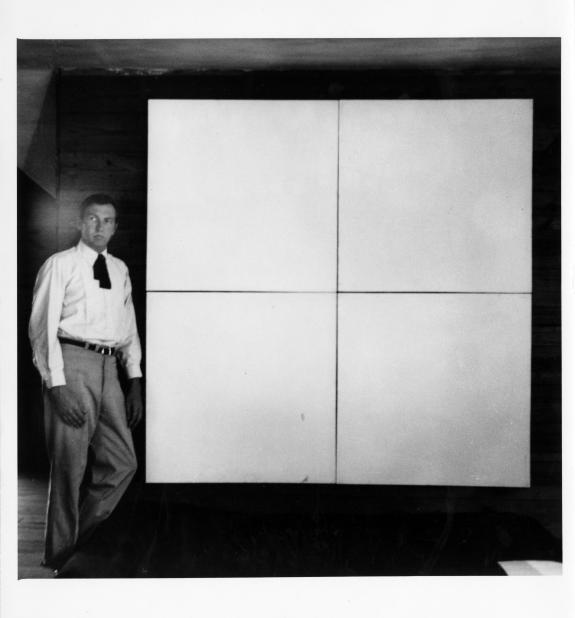
In 1948, John Cage proposed writing “a piece of uninterrupted silence” to be called “Silent prayer”. While this has been connected as the precursor of 4′ 33″, there is a rather startling gap between John Cage in 1948 and John Cage in 1952. What was the context of Silent prayer, then?
-
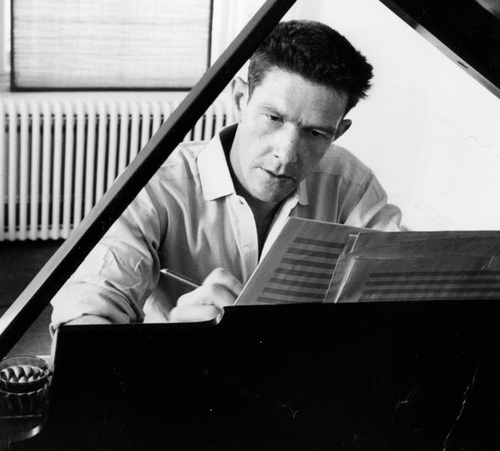
Each of us has an image of John Cage’s silent piece, an idea—or many ideas—of what he created, why he created it, and what it means. This series will be my story of Cage’s silent piece—or silent pieces, since there are four of them.
-
On the Cage/Feldman Radio Happenings This is a series of posts about the Radio Happenings shows of 1966–1967, over four hours of conversations between John Cage and Morton Feldman broadcast on WBAI in New York. It covers the history of these shows, including the story of how I rediscovered them twenty years after their initial broadcast. 1. The Happenings…
-
For me, there is a more personal history of the Radio Happenings: the story of how they came to light and were preserved. It all happened because of procrastination and the pre-Internet digital social world of Bulletin Board Services in New York City. It was a rare musicological adventure.
-
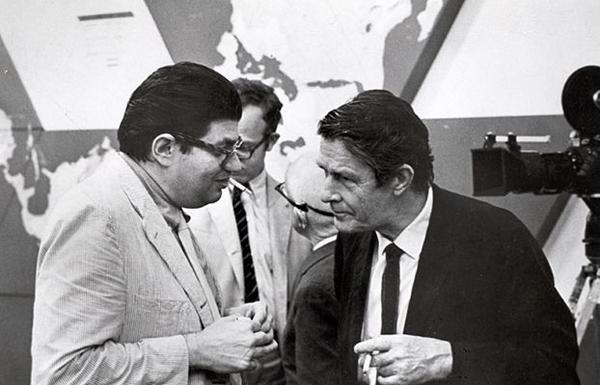
In this installment of my series on the Cage-Feldman “Radio happenings”, I describe where Cage and Feldman were in their lives at the time of the recordings, and present highlights of their conversations.
-
The history of how the Cage/Feldman “Radio Happenings” came to be recorded at WBAI, under the direction of Ann McMillan
-
Introducing a series of posts telling the missing story of the Cage/Feldman “Radio Happenings” of 1966-67, a series of broadcasts that has been getting more and more attention on the web.