Tag: spirituality
-
The “men and mountains” story has an interesting history that reveals much about John Cage’s relationship to Zen Buddhism. What he presented as a classic Zen saying was actually his own unique variant, one that took it away from its Zen roots.

-
As I prepared a lecture on John Cage and Buddhism, judgments and negative feelings arose because of my own personal history and relationship to Buddhism, and that I need to write about that history.
-
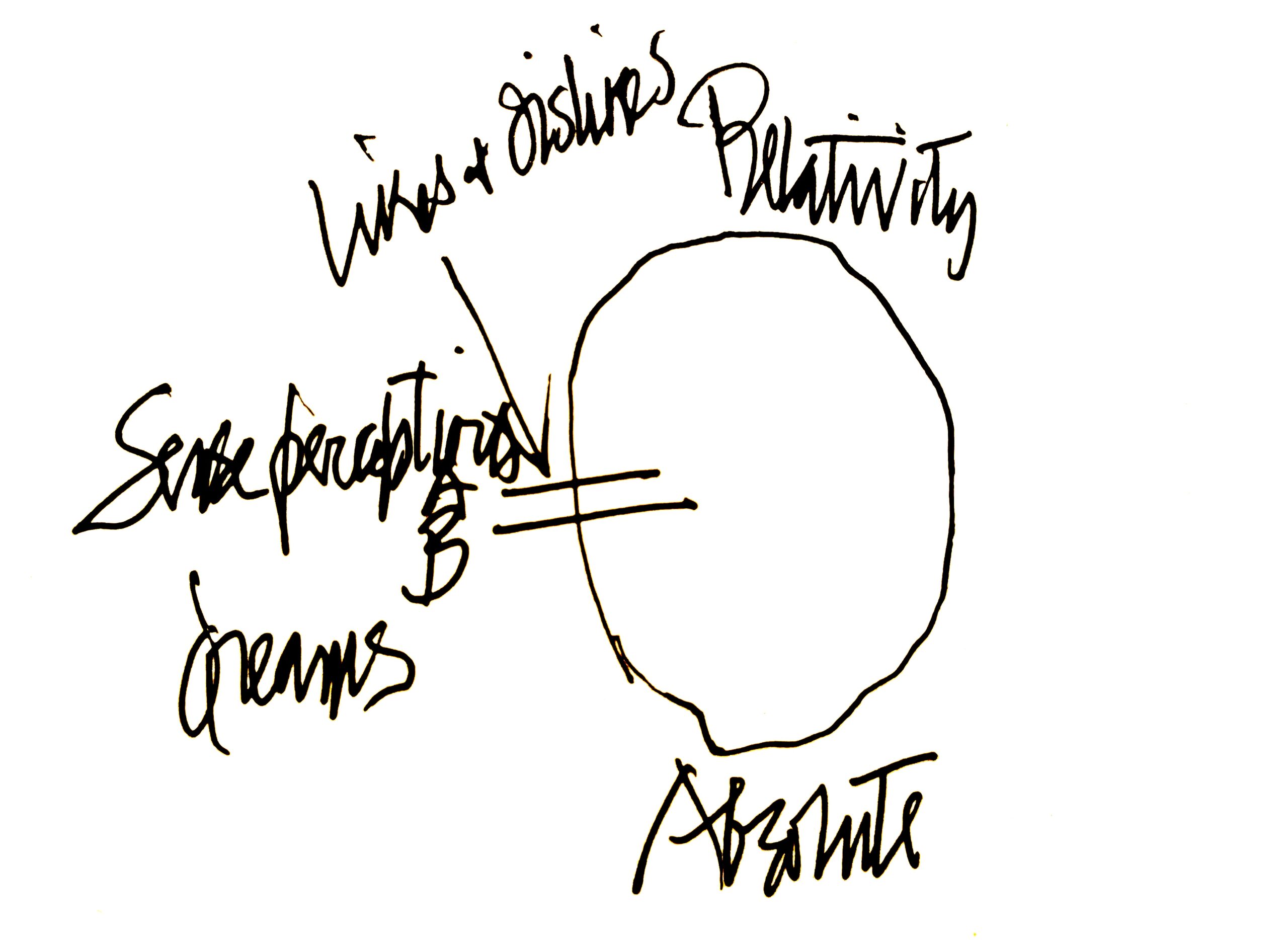
John Cage often described a drawing that D. T. Suzuki drew of the structure of the mind. I’ve found a possible source for that drawing.
-
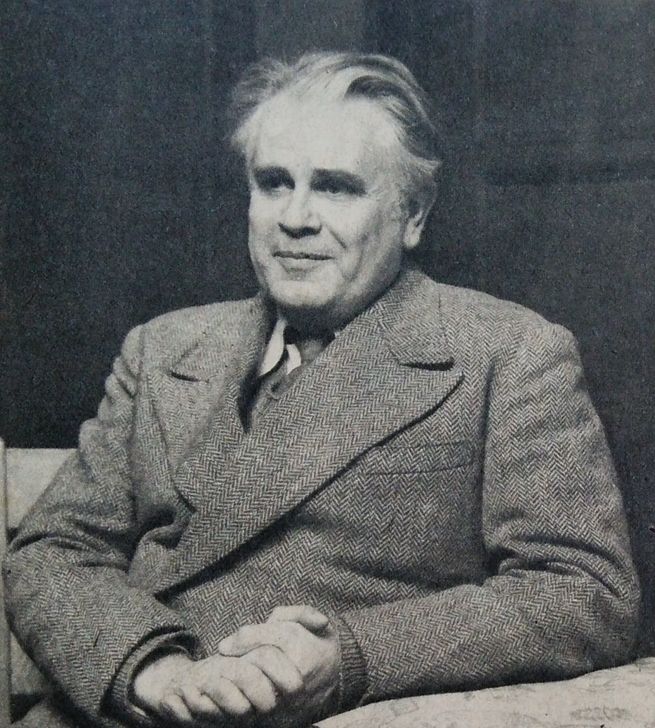
I’ve just posted a new essay on “The origin of John Cage’s Zen” that lays out my case for R. H. Blyth, not D. T. Suzuki, who introduced Cage to Zen. It’s a product of my recent lecture on Zen and John Cage. In preparing that, I took a deeper dive into the Blyth’s work.…
-
The story that John Cage told was that he studied Zen with D. T. Suzuki. For Cage, as for most in the English-speaking world, Suzuki was the ultimate source of insight into Zen. “I didn’t study Zen with just anybody: I studied with Suzuki,” Cage said in an interview. “I’ve always gone, insofar as I…
-
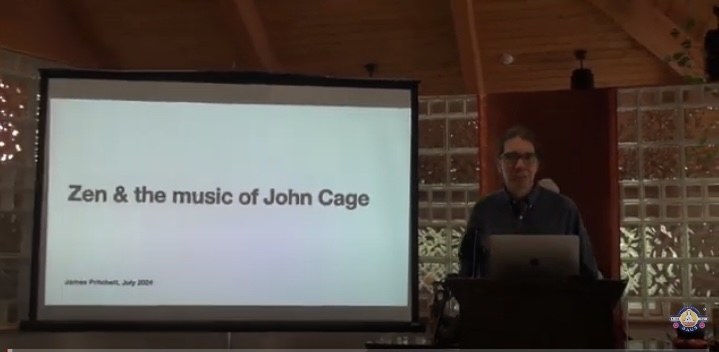
I recently had the opportunity to deliver a lecture on a subject I’ve been avoiding: Zen and the music of John Cage.
-
Morton Feldman’s “Projection” showed John Cage the destination of his musical-spiritual journey. It was a revelation, the opening of a door to an entirely new world, “not just the musical world outside of you”, as he later described it, “but the musical world inside of you.”
-
Energized by the discoveries of the quartet, Cage created his first really great piece of writing in 1950, the “Lecture on nothing”. It eloquently presents Cage’s belief that self-negating discipline produces insight.
-
This series of posts traces the musical-spiritual path that John Cage followed in the 1940s and early 1950s.
-
Introduction to a series of posts on John Cage’s musical and spiritual path of the 1940s and early 1950s. To understand his taking up of chance in 1951, you have to understand this journey, and to fully understand the journey, you must be able to see it as a journey into both musical silence and…